What should a lone worker do in an emergency when no one can see them?
The direct answer is: get to a safe position if moving is safe, call emergency services when there is immediate danger, and trigger a personal safety alarm or other alert so someone knows where you are and what has happened. If you cannot speak, use the SOS function, activate fall detection where available, and keep the device with you if that does not put you at greater risk. Silence is the real problem in these situations. A person can be injured, trapped, threatened, or confused, while everyone else assumes the job is simply taking longer than planned.
For a lone worker, the first job is not to solve everything alone. It is to make the emergency visible. That means raising an alert early, sharing location, and opening a channel for help. Many workplace devices are designed around exactly that gap: an SOS button, GPS location, two way voice, man down alerts, and fall detection alerts. The right response depends on the hazard, the setting, and whether the person can move or speak safely.
Start with the immediate danger
Emergency actions should follow the risk in front of the worker, not a rigid script. If there is fire, violence, a serious medical event, a collapse, or another urgent threat, emergency services come first. In New Zealand, calling 111 is the route to police, fire, or ambulance. Give the clearest location available, the type of emergency, and any hazards that responders should know about. If speaking is not possible, use whatever alert function is built into the device and let the nominated contact or response plan do the next part.
Moving should only happen when it reduces risk. A worker who can walk away from a dangerous area should do so if the route is clear and does not involve a task beyond their training. A person who may have a spinal injury, severe breathing trouble, or a fall with pain should avoid being dragged or helped upright by someone untrained. In those cases, staying still and raising an alert may be safer than attempting a rescue on the spot.
There are also risks that should not be handled by an unqualified person at all. Electrical faults, gas related problems, unstable structures, machinery faults, and work at height can turn a minor incident into a serious one. The safe response is to keep clear, warn others if that can be done safely, and leave the repair to a qualified professional or the appropriate emergency service.
Make the alert specific, not just loud
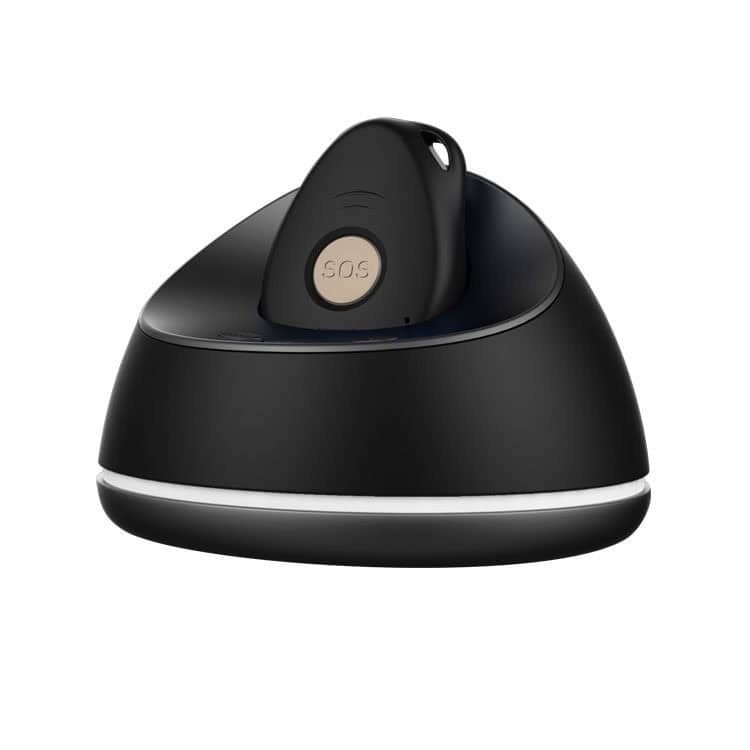
A personal safety alarm is useful when it does more than make noise. In a workplace emergency, the key question is whether the alert carries enough information for someone to act. A general alarm may draw attention nearby, but it may not tell anyone who is affected, where they are, or whether they can respond. A wearable device with an SOS button can reduce that uncertainty, particularly when paired with GPS location and two way voice.
Location detail matters because a lone worker may be in a car park, a plant room, a paddock, a stairwell, a rear entrance, or a client site where street numbers are not obvious. Even a rough location is better than none. If the device provides GPS location, the worker should keep it accessible and avoid putting it somewhere that blocks use, such as under clothing, inside a bag, or behind equipment. If the setting changes during the shift, the nominated contact may need context as well, such as the site name, the area within the site, and the planned route.
Two way voice can help separate a minor delay from a real emergency. Once contact is made, the worker can answer simple questions: are you safe to talk, are you injured, is anyone else nearby, can you move, do you need an ambulance? Short answers are enough. If the person cannot talk, the absence of a response should be treated as meaningful. That is where man down and fall detection alerts can help, because they can flag a worker who has stopped moving normally or may have fallen.
What to do when you cannot speak
A sudden health event, an assault, a fall, smoke, or a trapped position can make speech difficult. The response plan should account for that before the shift begins. A wearable lone worker alarm with an SOS button can give the worker a way to call for help without explaining the whole situation. If two way voice opens and the worker cannot answer, that still creates a channel. The contact can listen, speak calmly, and check whether the person can respond by voice or by pressing the button again.
Fall detection alerts are relevant when a fall may leave a worker unable to reach a phone. They are not a guarantee that every fall will be detected, so they should be treated as one layer in a broader emergency procedure. The same applies to man down alerts, which can indicate that movement has stopped in a way that may need checking. A good response plan says what happens after the alert: who answers, how the person is contacted, what information is passed to emergency services, and when a welfare check is arranged.

When danger involves another person, discretion may matter. If calling out loud could escalate the situation, a silent alert or low profile device can be safer than a shouted warning. The worker should avoid confronting someone, moving into a confined space, or trying to restrain a person unless that is part of trained duties. The aim is to create a route to help, not to prove the emergency by taking more risk.
Use the response plan, not guesswork
An alert only works when someone knows what to do with it. Before a shift, the lone worker should know who the nominated contact is, how contact is made, and what happens if the first call is not answered. The contact should know the worker's planned location, expected check in time, and any site restrictions that could slow access. That preparation is especially important for work that happens out of sight, such as after hours visits, remote sites, or tasks in areas with poor phone coverage.
A risk assessment should shape the setup. A worker visiting a quiet industrial area at night may need a different arrangement from someone moving through a busy public building during the day. The assessment should consider the task, the location, the people nearby, the chance of a fall or medical event, and how quickly help could arrive. It should also consider communication gaps, such as dead zones, locked gates, or areas where GPS location is less precise.
Check ins are useful, but they are not a substitute for an emergency alert. A missed check in might mean a worker is held up, not hurt. An SOS activation, fall detection alert, or man down alert signals a more urgent need for response. Clear procedures help the contact avoid both extremes: ignoring a real warning or treating every delay as a crisis.
After the immediate response
Once help is on the way, the worker's job is to keep the situation stable. That may mean staying where they are, keeping warm, applying direct pressure to a bleeding wound if trained to do so, or moving only when told that it is safe. It may also mean staying off a device if using it increases exposure to a threat. If the emergency involves machinery, utilities, chemicals, or working at height, the worker should not attempt a repair or restart. Isolate the area if that can be done safely, and let qualified people handle the fault.

Afterwards, the incident should be reviewed while details are fresh. The review does not need to blame anyone. It should ask whether the alert reached the right person, whether location information was accurate, whether two way voice helped, and whether the emergency procedure matched the real situation. If the worker had to search for a button, explain the location, or repeat basic facts, the setup may need tightening.
The practical lesson for a lone worker is simple: emergencies feel smaller when the response is planned. Carry the alert device, keep it accessible, know who is watching for alerts, and call emergency services when the danger is immediate. When no one can see what has happened, a fast, clear signal can be the difference between waiting alone and getting help moving.